The Intern Arrives
I went to work today and an intern had shown up. I thought the company did not hire interns at all—it turns out our team simply does not; other teams do. So the old saying still holds: heaven never blocks every path.
A Gen Z PhD student at Ohio State, fifth year, working on PDEs. On the side he is picking up NSDE (Neural SDE) and GAN work. He drove seven hours from campus. An unassuming kid.
From Baroque to Impressionism
I picked up a museum VIP membership a while back but still have not made it there.
There is a show on now—Caravaggio, no less. I need to carve out time to go.
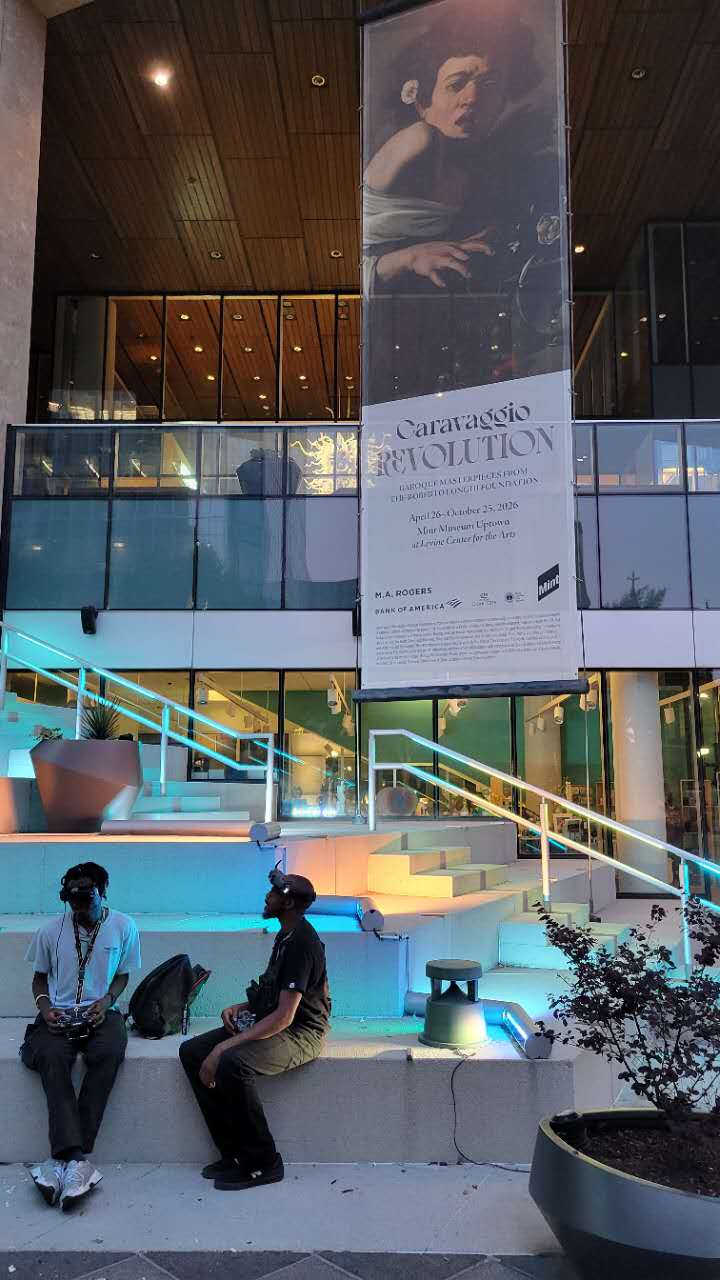
Caravaggio is the giant of the Baroque.
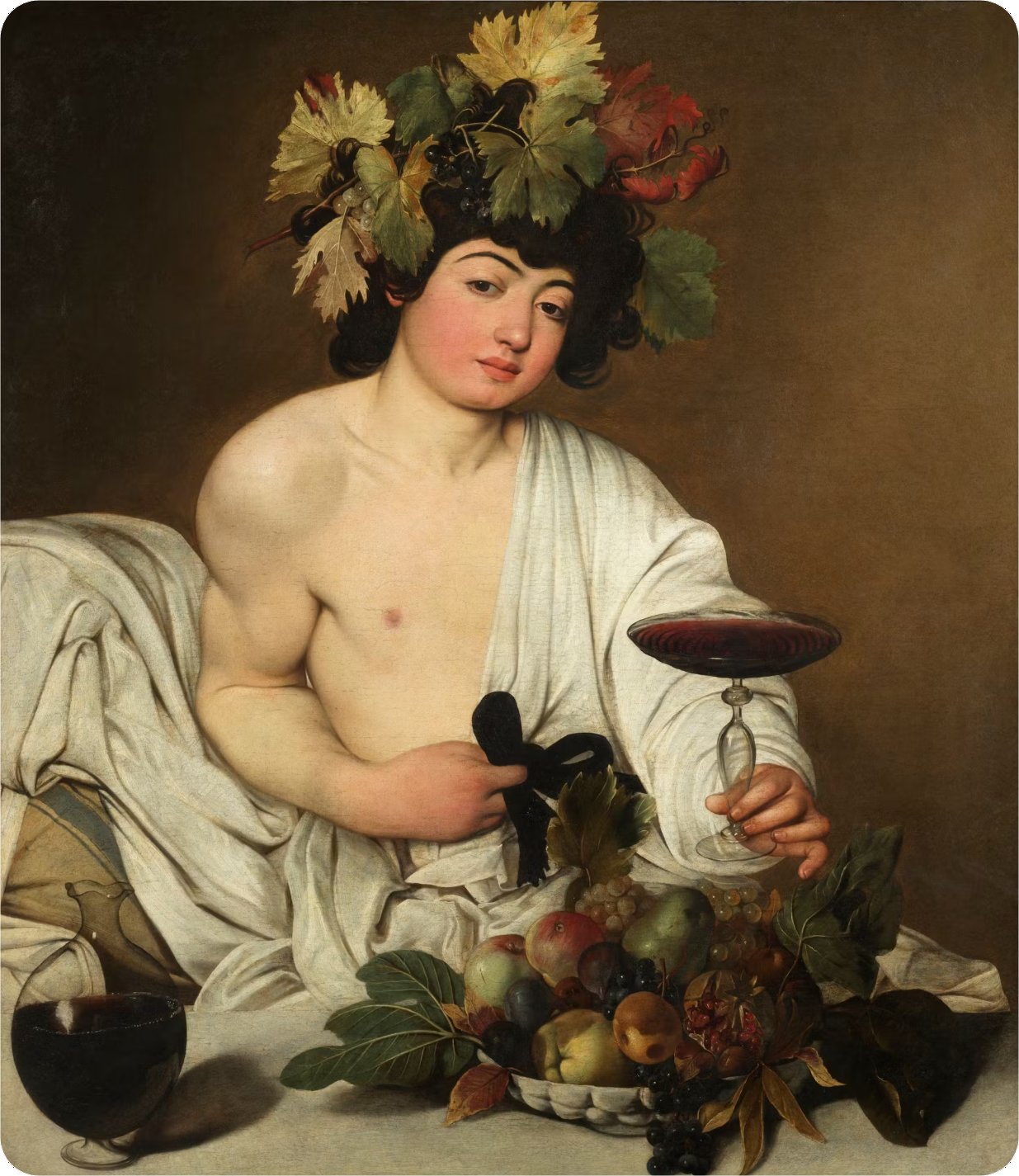
Lately, though, my mind keeps drifting to Impressionism instead.
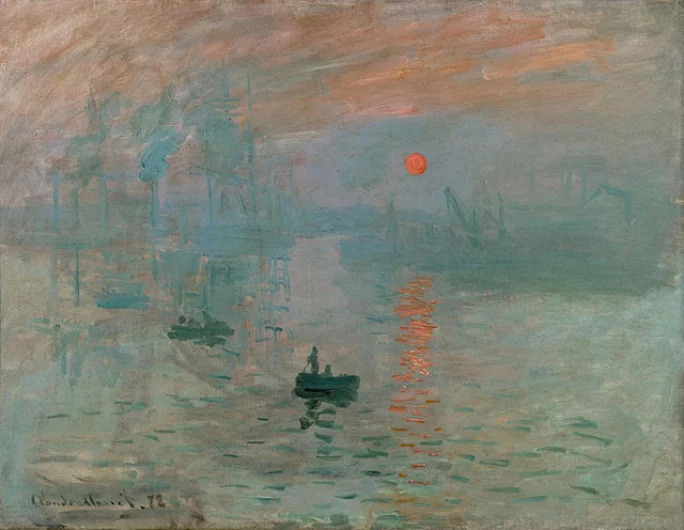
Impressionism did not fall from the sky. It took shape in mid-nineteenth-century France as a generation of painters pushed back against the Académie des Beaux-Arts. Salon taste favored history painting, mythological subjects, and flawlessly smooth canvases finished in the studio. Monet, Renoir, Degas, Pissarro, and their circle would rather paint modern life outdoors—the boulevards of Haussmann's Paris, steam at the railway station, picnics, balls, horse races. In 1874 they held their first independent exhibition upstairs in Nadar's photography studio. Louis Leroy, reviewing Monet's Impression, Sunrise, mocked the work as nothing but an "impression"—and the insult became the name of a movement.
Photography is part of what made Impressionism possible. Around 1839, Daguerre unveiled his process to the world, and painting lost its monopoly on recording reality. If a camera could capture a face, a building, or a street scene in seconds, why spend months rendering every eyelash? The crisis freed painting—it no longer had to serve as a mirror. It could ask instead: what does the eye actually see? What color is the light in that instant? Degas borrowed freely from photographic composition, with bold cropping and figures cut off at the frame's edge like snapshots. Monet and Sisley kept returning to the same place under different light, as if racing the camera to seize a single second. Even earlier, Muybridge and Marey used sequential photography to break a galloping horse or a flying bird into frame-by-frame instants—the very fleeting moment Impressionism wanted to paint, the one too quick to finish.
This is worth spelling out, because photography and painting are often framed as a zero-sum fight. At the time, plenty of people predicted painting would die—if a camera could record a face, a building, or a street more cheaply, quickly, and accurately, why keep rendering every eyelash in a studio? History answered the opposite way. Painting did not vanish; it simply stopped carrying the burden of faithful reproduction. Impressionism chased light and the instant. Fauvism freed color from the object. Abstraction let the canvas leave the ground altogether. Realism lost one job, and the movements that followed kept branching out. From Caravaggio to Monet, from Matisse to Kandinsky, the canvas spent nearly two centuries answering the same question: if it no longer has to be a mirror, what else can it be?
Film went through a similar turn. Once television entered the living room, people declared the cinema dead—who would still buy a ticket and sit in the dark? But film did not die either. It ceded the living-room job to TV and moved toward widescreen spectacle, immersion, and scenes only a big screen can hold: epics, science fiction, action, IMAX. Not the same way of living, and not the same scale. What a new medium takes is usually the easiest, most mechanical part of the old one; what survives is pushed to become freer, more extreme, more itself.
Useful Links
https://arxiv.org/abs/2602.08182
https://ml4physicalsciences.github.io/2020/files/NeurIPS_ML4PS_2020_39.pdf
2024 EP.95: From Baroque to Impressionism — How We Walk Into Paris